
Sourcing from China: RFQ Process Guide In this blog, we will discuss how having a professional China sourcing agency can add value to your RFQ process, and how they will manage...

Comprehensive China sourcing & supply chain solutions.
01 · China Sourcing Solution Your dedicated Beijing-based team, operating on a 30-day pulse — tailored to your sourcing program.
02 · Direct Buying from China Go straight to the source for the best pricing and full control. Built for branded products in volume.
03 · Product Development From concept to factory-approved product — with IP protection, mould rights, and ESG compliance throughout.
04 · Research Services Reliable, unbiased intelligence: factory due diligence, market research, price-point and feasibility studies.
05 · Quality Assurance Prevention-first QA that begins before the order is placed. Independent QC engineers. PSS & ISS at every step.
06 · Travel Assistance On-the-ground support for your China visits — trip planning, interpreters, factory tours, Canton Fair coverage.
We monitor and ensure that pricing stays at optimal local market rates

Every product sourced through Flexilis Advisory goes through our proprietary QA process.

We achieve 99% on-time delivery with our systems. Success depends on managing the whole process.
Blogs

Sourcing from China: RFQ Process Guide In this blog, we will discuss how having a professional China sourcing agency can add value to your RFQ process, and how they will manage...

Multi-tasking and The China Supply Chain Many people believe that the ability to multi-task is a fundamental skill for increasing productivity, especially when applying this idea to supply chain management...
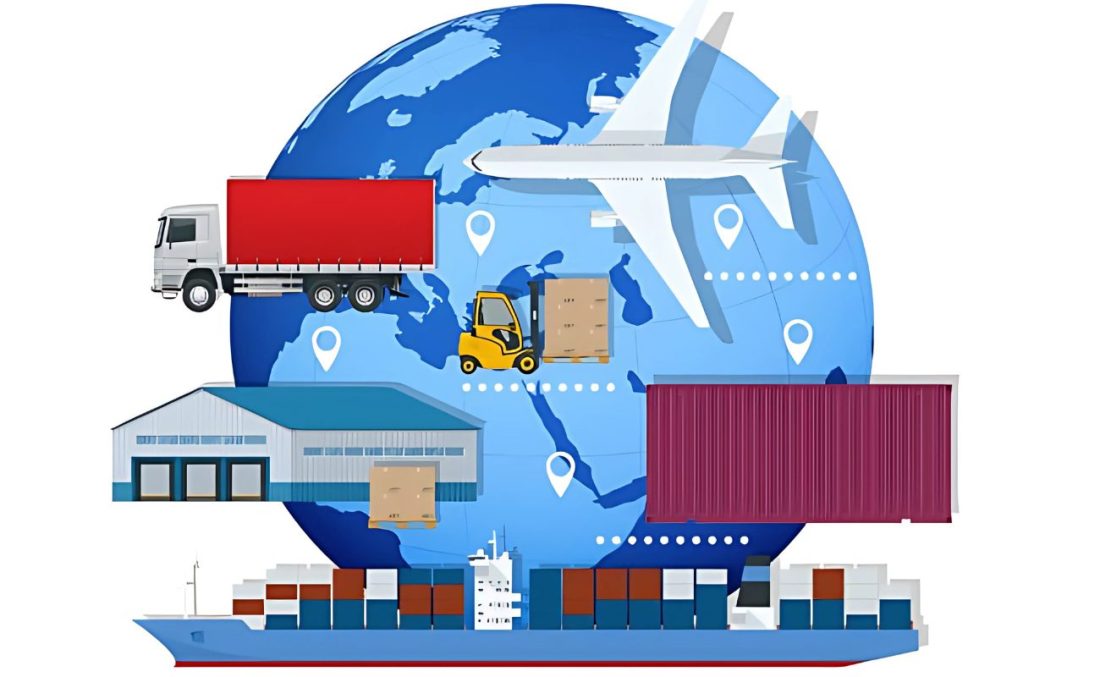
Rethinking Your China Strategy? Read This First As global supply chains evolve, many companies are looking to reduce their reliance on China. Whether driven by tariffs, geopolitical tensions, or the...

FAQ
Supply chain management involves overseeing the flow of goods, services, and information from raw material procurement to final product delivery to the end customer. It plays a pivotal role in cost reduction, enhanced efficiency, inventory minimization, and improved customer satisfaction for organizations. Management of the supply chain requires mastery of the “Three Essentials”: price, quality, and on-time delivery. These factors are intricately connected and demand rigorous control to achieve success.
While there are many factors that can disrupt the supply chain, four of the most common are:
Natural disasters
Political instability
Changes in demand for goods and services
Supply chain bottlenecks, such as shortages of raw materials or capacity constraints at factories
Other factors that can disrupt the supply chain include technological failures, labor strikes, and changes in government regulations.
Responsible Sourcing: Embracing sustainable practices that align with Flexilis advisory (Environmental, Social, and Governance) standards is crucial for responsible sourcing in modern supply chain management.
-China has nearly 3 million production plants, factories, and workshops covering a broad range of products. China’s low cost of labor and massive labor force led many multinational companies to outsource their manufacturing operations to China in recent decades, and it is often referred to as “the world’s factory.”
-China’s rapid development of infrastructure–a well-developed network of ports, airports, and roads, as well as a large fleet of ships and planes that transport goods around the world–has solidified its leading role in the global supply chain, even as new countries are beginning to challenge China’s supply chain dominance.
-While China’s role in the global supply chain was impacted by the COVID-19 pandemic, as well as by ongoing trade tensions with the United States, it is likely to continue role in the global supply chain in the long term.
A stable supply chain has minimal disruptions and delays. It requires flexibility and agility in order to adapt to changes in demand as well as contingency planning to respond quickly and effectively to disruptions when they occur. The risk of disruption can be mitigated through diversification of raw materials, suppliers, and transportation routes, as well as strong relationships with suppliers that can help support businesses during times of disruption. Having visibility into the supply chain and clear communication with partners can help organizations anticipate and respond to disruptions more effectively.
Quality control in your supply chain hinges on effective communication and proactive measures. Expectations and quality standards should be clearly communicated upfront – well before order placement. After order placement, implementing rigorous quality control measures and protocols can help businesses prevent any issues before they arise and ensure the quality of goods and materials meets their standards every time.
This website uses cookies to provide you with the best browsing experience.